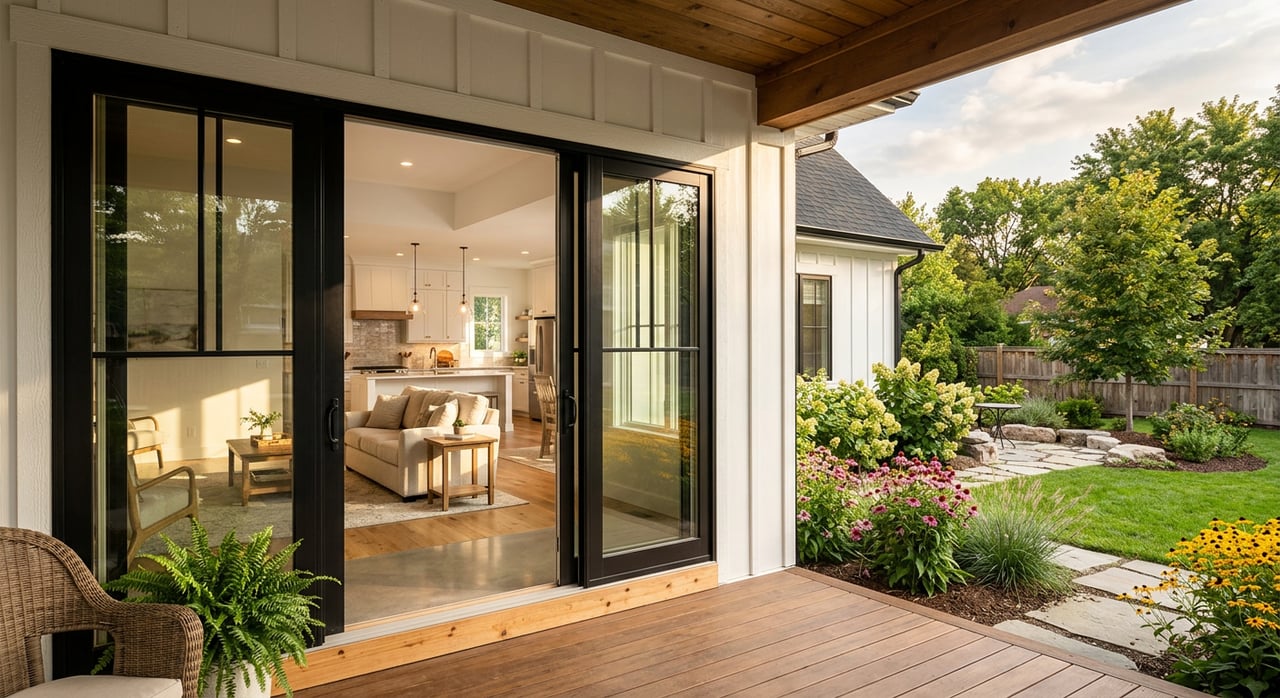
Step-by-Step Guide to Sell My Home in Sunbury, Ohio
March 24, 2026
March 24, 2026
Selling a home in Sunbury can feel like a lot to juggle. You want a clean process, a strong price, and a clear plan that fits local norms. This guide gives you a step-by-step roadmap tailored to Sunbury and Delaware County, with timelines, key documents, and costs to expect. You will know what to do from prep to closing so you can move with confidence. Let’s dive in.
Sunbury pricing remains strong for Central Ohio. Public portal snapshots as of late 2025 to early 2026 place typical values roughly in the mid 400s to low 500s, but numbers vary by source and month. Use a local MLS comparative market analysis for your final pricing strategy. Delaware County research shows steady single-family activity and notes that days on market have lengthened compared with the pandemic years, so accurate pricing and condition matter. You can review county context in the Delaware County housing report.
Before you list, organize the paperwork buyers, lenders, and title will request. Collect your deed, mortgage payoff info, prior survey if available, property tax bill, HOA documents, permits for renovations, warranties, appliance manuals, and recent utility bills. The Ohio Bar’s consumer guide outlines common title and closing items you will see.
If your property uses a private well or septic, gather records now. You must disclose water and sewer type on Ohio’s state form. If you have your parcel ID handy, verify your legal description through county records so listing paperwork and title are consistent.
A pre-list home inspection helps you spot issues early and control how they are handled. Many sellers find that addressing key items or disclosing findings up front reduces renegotiation risk once under contract. Typical inspection pricing is often in the low hundreds depending on size and scope. You can review the benefits of pre-list inspections to decide if it fits your plan.
Base price on recent, nearby closed sales in Sunbury and the immediate neighborhood. Public portals report different medians because they track list prices, sale prices, and small sample sizes differently, so treat those as directional only. In an area with active new construction and varied subdivisions, neighborhood-level comps will beat town-wide averages. The Delaware County report notes more multifamily deliveries, which can shape demand and time on market.
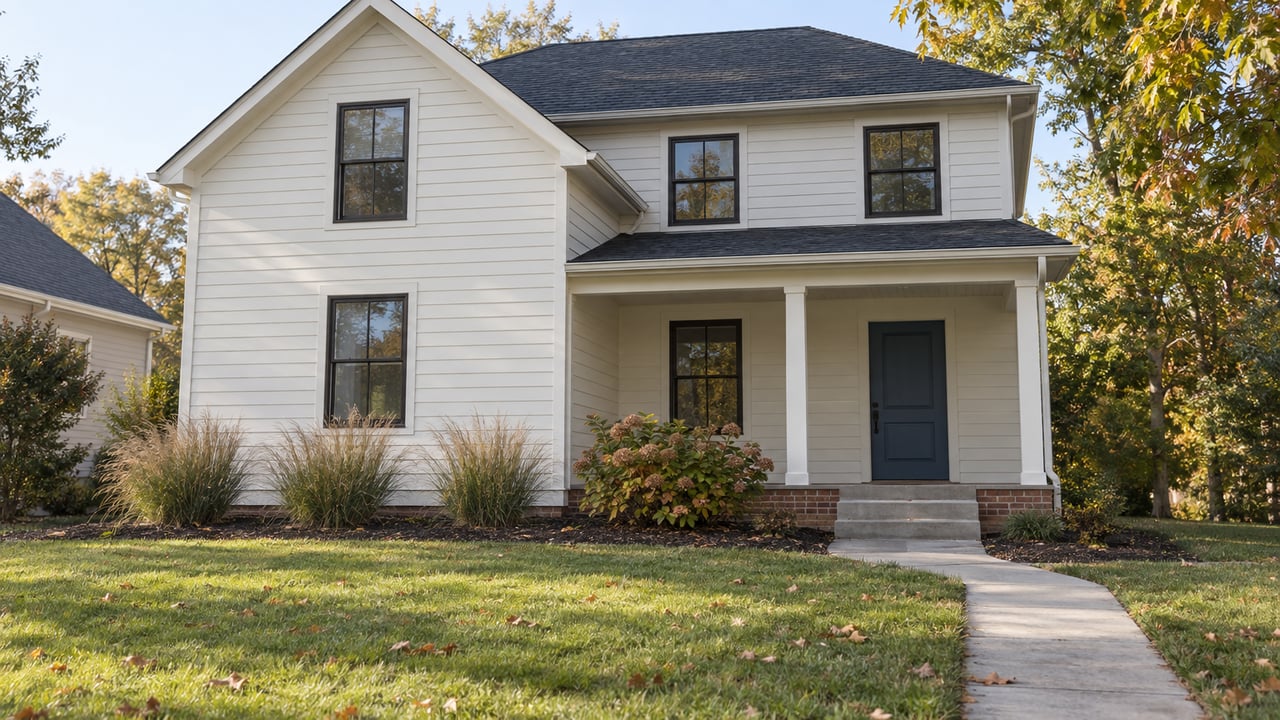
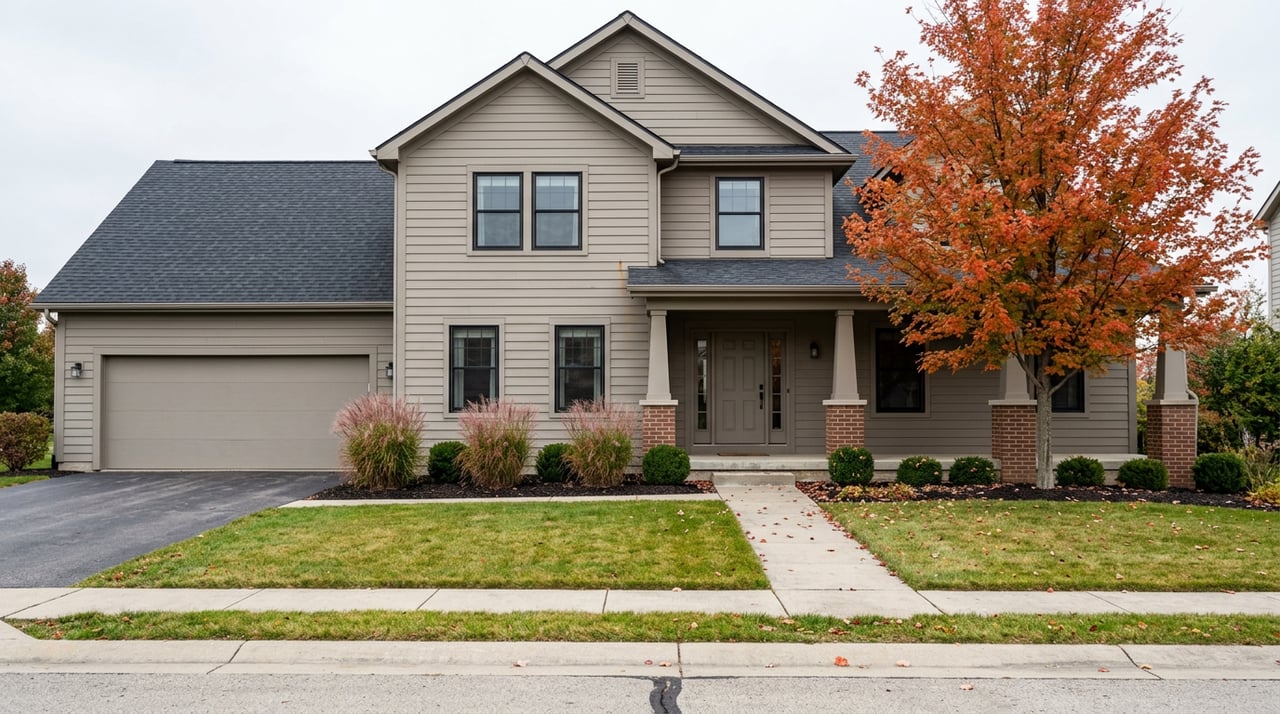
Strong presentation attracts stronger offers. Invest in professional photos, an accurate MLS description, and a clear feature sheet. If full staging is not practical, deep clean, declutter, touch up paint, and handle easy curb appeal wins. Many buyers use scheduled broker showings; open houses can add exposure depending on your home and timing.
Recent industry changes mean many buyer agents work under written agreements with their clients. Discuss with your listing agent how showings will be managed and how buyer-agent compensation will be presented, since compensation structures are negotiable after the 2024 shifts noted by Forbes Advisor.
Expect offers to include price, earnest money, financing type, inspection and appraisal contingencies, and a target closing date. In a balanced market, you may see requests for concessions or closing cost credits. Focus on the whole offer package, not just price, so you pick the path most likely to close on time.
Agent compensation is negotiable today. Many sellers still budget for buyer-agent compensation as part of their overall plan, but you should define the structure up front with your listing agent and market it clearly so buyers know what to expect.
Most financed purchases in Central Ohio close in about 30 to 45 days. That window covers inspections, appraisal, and lender underwriting. Industry reporting placed average lender-purchase timelines near 42 days in late 2025, which fits what you should plan for locally. For context, review this overview of underwriting to closing timelines.
Buyers usually have 7 to 14 days for general and specialty inspections. You can negotiate repairs, credits, or price adjustments. If you completed a pre-list inspection, you will be better positioned to respond quickly and keep the deal on track.
Title companies or attorneys prepare a commitment and run searches for liens and easements. Review the commitment, settlement statement, and deed carefully. The Ohio Bar’s guide recommends addressing title issues with an attorney where needed. Any mortgages, liens, or assessments are usually paid off at closing from your proceeds.
You must complete and deliver the state Residential Property Disclosure Form for most 1 to 4 unit sales. If a required disclosure is delivered after contract, the buyer may have a right to rescind within a limited time window. Read the statute and deliver the form early. Review Ohio Revised Code §5302.30 for details and ask your agent how they distribute disclosures to buyers.
If your home was built before 1978, federal law requires you to give buyers the EPA/HUD lead pamphlet and disclose any known lead-based paint information. You can review the federal lead disclosure rules to be sure you comply.
On closing day you will sign the deed and settlement documents, the buyer’s lender funds, and the title company records the deed. Your net proceeds are paid after mortgage payoffs, agreed commissions, prorated taxes and HOA dues, any seller credits, and transfer fees. Ohio requires a Real Property Conveyance Fee Statement (DTE-100) and county recording. Conveyance fee rates include a state amount and may include a county add-on, so confirm the exact math with your title company or the auditor. You can see an example explanation of the DTE-100 process and transfer fee.
Plan for your biggest cost to be agent compensation, which is negotiable. Many sellers historically budgeted around 5 to 6 percent for agent fees, plus conveyance and recording fees, prorated taxes, HOA transfers if applicable, and any agreed repairs or credits. A simple planning rule is to set aside 6 to 8 percent of your sale price for transaction costs, then refine with a preliminary estimate from a title company.
Example: On a $500,000 sale, 6 percent in total commissions would be $30,000. Add estimated conveyance/recording, prorated taxes, and any credits to project your net. Your actual numbers will depend on your negotiated commission, concessions, and county fee specifics.
Selling is simpler when you have a clear plan, disciplined communication, and a local expert steering the details. If you want a straightforward process and a pricing strategy grounded in MLS data, let’s talk about your timeline and goals. For a quick starting point, request an instant valuation and a custom prep plan from David E Straight.
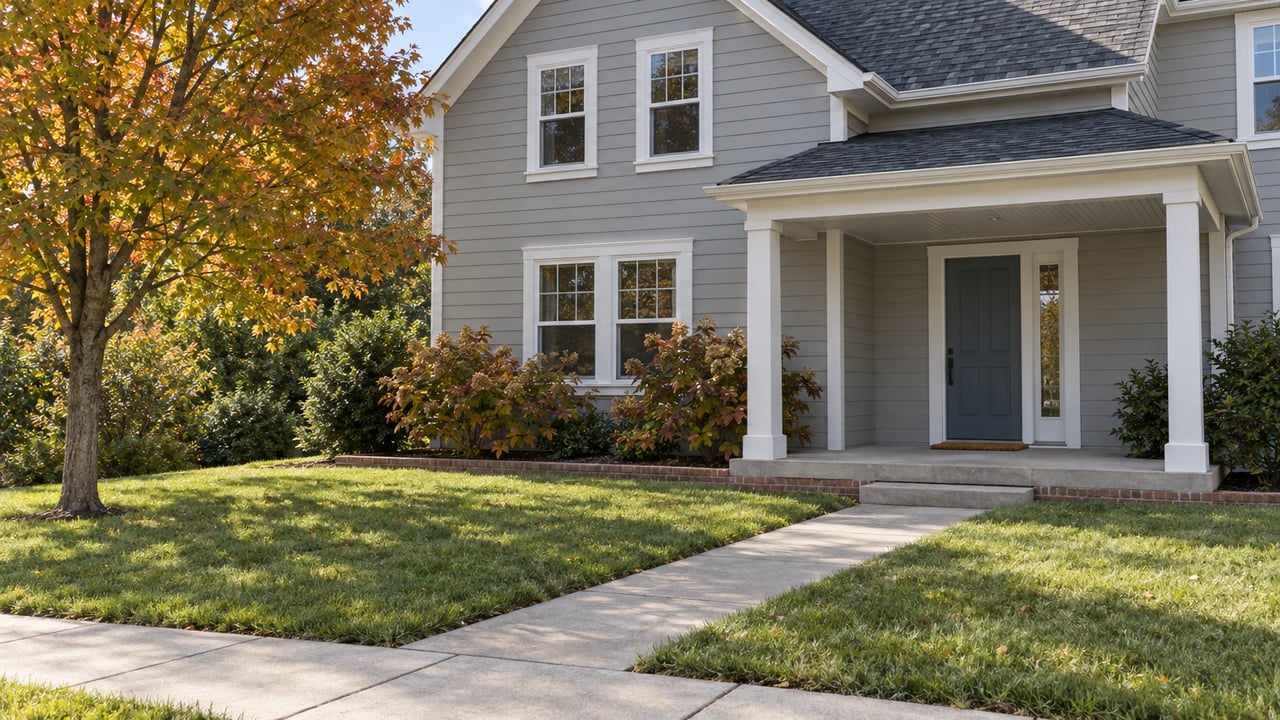
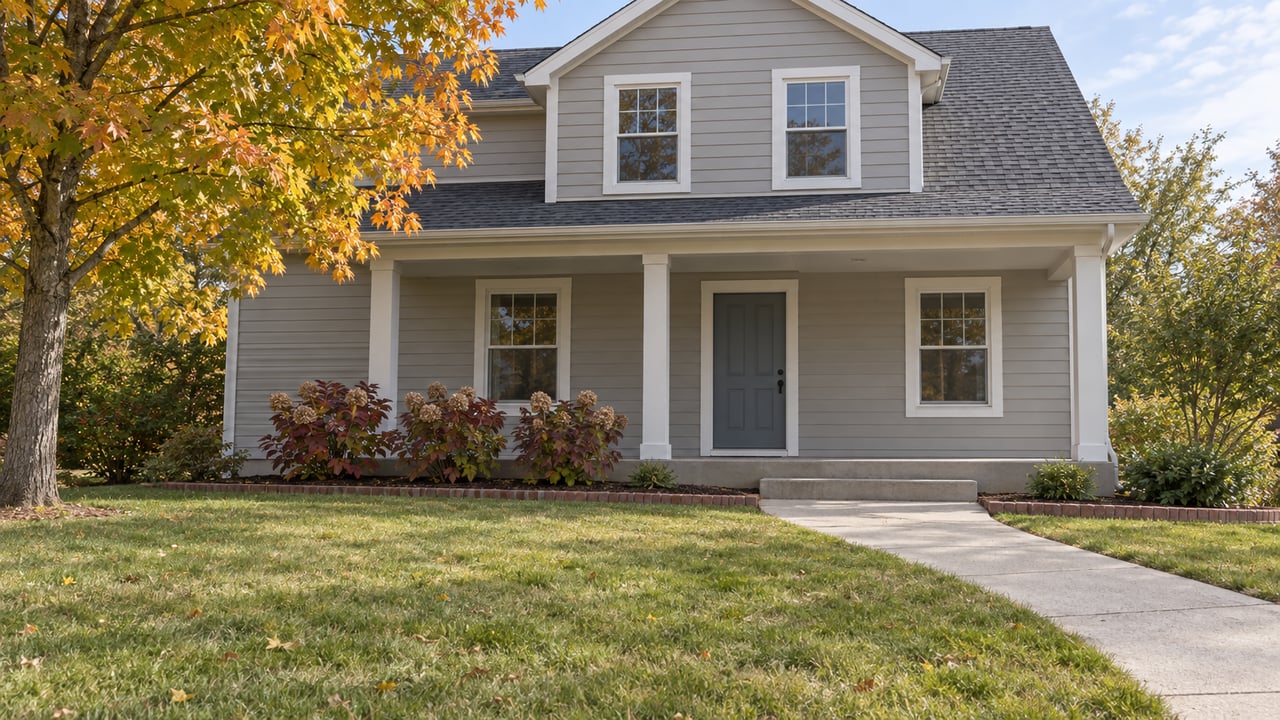



Trust him to guide your real estate journey with clarity and dedication. With David’s local insight, strong marketing, and client-first approach, he makes buying or selling smoother, smarter, and more rewarding.