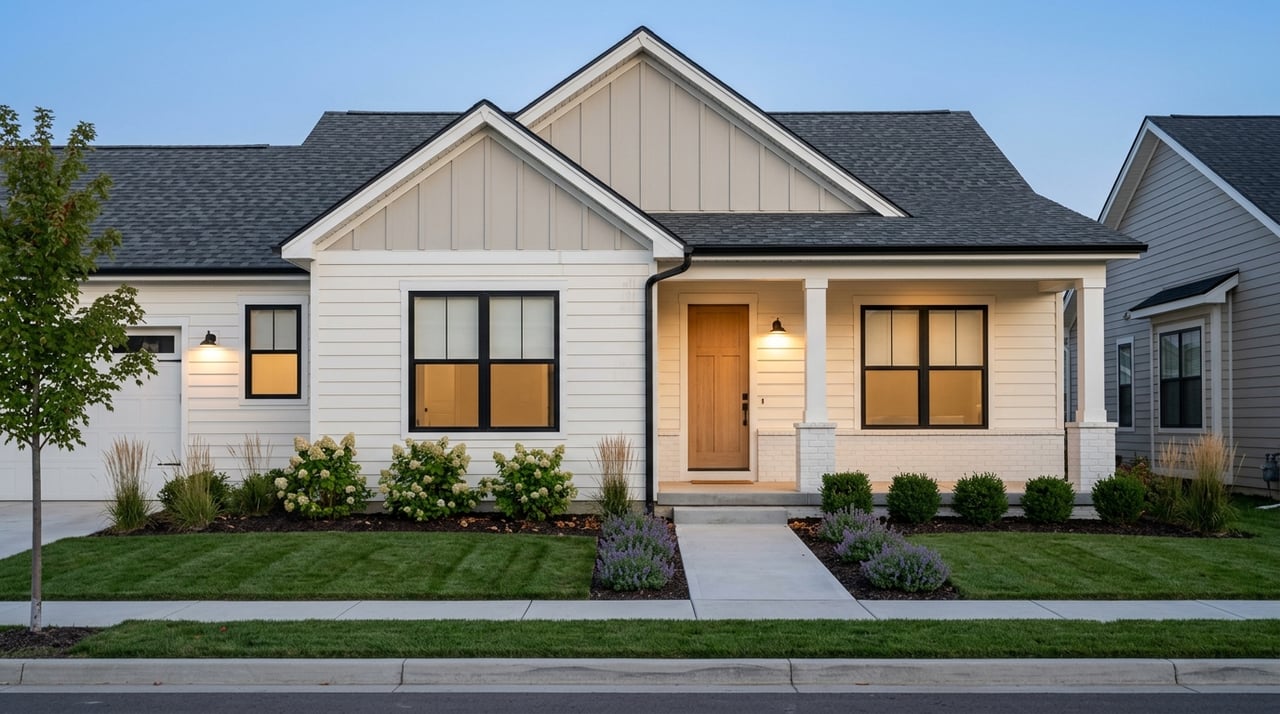
How to Price My Home in Delaware, Ohio With Confidence
May 28, 2026
May 28, 2026
Wondering why some Delaware homes sell quickly while others sit, even in a market that still favors sellers? If you are getting ready to list, the right price is one of the biggest decisions you will make. Price too high, and you can lose early momentum. Price too low, and you may leave money on the table. In this guide, you will learn how to price your Delaware, OH home based on local market data, real buyer behavior, and the details of your home so you can launch with confidence. Let’s dive in.
Delaware, OH is still a seller-leaning market, but it is not a market that rewards guesswork. According to the Columbus REALTORS MLS report for Delaware County, there were 254 closed sales in April 2026, a median sales price of $539,000, 2.0 months of supply, 46 days on market until sale, and sellers received 98.5% of original list price on average.
That sounds strong, and it is. But it does not mean every home can be priced aggressively without consequences. Buyers still compare options carefully, and if your home does not match the price in condition, location, or layout, they may move on.
A second data point helps show the same story. Realtor.com reported 483 homes for sale in Delaware, a median listing price of $464,900, 31 median days on market, and a 100% sale-to-list ratio in March 2026. Since these sources use different datasets and geographies, it is best to treat them as directional signals, not exact matches.
One of the biggest pricing mistakes sellers make is relying on countywide numbers when buyers are shopping by area, subdivision, and home style. In Delaware, that difference can be significant.
For example, March 2026 MLS figures for the Delaware City School District showed a median sales price of $384,027, 47 days on market, 72 homes for sale, and 1.5 months of supply. That is a useful reminder that your home should be priced against the most similar recent sales in your immediate market, not against a broad county average.
If you live in a newer subdivision, a historic area, or a neighborhood with limited turnover, your pricing strategy should reflect that. Buyers do not compare your home to every listing in Delaware County. They compare it to the homes that feel like realistic alternatives.
The best starting point for pricing is not an online estimate and not your financial goal. It is recent closed sales of homes that are similar to yours.
A solid pricing review looks for homes with a similar:
Closed sales matter most because they show what buyers actually agreed to pay, not what a seller hoped to get. If you want a list price that can hold up under buyer scrutiny and appraisal review, sold comps are the strongest anchor.
Once you know where sold comps point, the next step is to look at your current competition. In April 2026, Delaware County had 518 homes for sale and 298 homes in contract. That tells you buyers have choices, but demand is still active.
Active listings are important, but they are not proof of value. They show what else buyers can choose right now. If your home is priced above similar active options, you need a clear reason, such as stronger updates, better presentation, or a more desirable setting within the local market.
Pending homes also matter because they can hint at where buyers are moving now. Together, sold, active, and pending listings create the clearest picture of where your home fits.
Two homes with the same square footage can still justify different prices. Visible condition, repairs, and updates all affect how buyers and appraisers see value.
Fannie Mae’s appraisal guidance says visible repairs, deterioration, and the level of updating should be reflected in value. In plain English, a move-in ready home may support a stronger price than a similar home with dated finishes, worn flooring, or deferred maintenance.
Before you list, it helps to look at your home through a buyer’s eyes. Ask yourself:
Honest answers here can protect you from overpricing and help you decide where small pre-listing improvements may pay off.
Automated valuation models, often called online estimates, can be helpful for getting a rough range. But they should not set your final list price.
The CFPB explains that automated valuations are computer-generated estimates based on home features, recent sales, and other market data. These values can differ because they may use different comps or be created at different times.
That is why online estimates often create confusion for sellers. If one site says your home is worth one number and another says something different, that does not mean either one is wrong. It means neither one sees your home the same way a local pricing analysis does.
Overpricing usually starts with good intentions. You want room to negotiate, you want to hit a certain net, or you want to test the market. But in practice, these choices can cost time and leverage.
Here are some of the most common mistakes Delaware sellers should avoid:
Appraisal risk is especially important. If the market does not support the contract price, a lower appraisal can lead to renegotiation or affect the buyer’s loan approval.
When your home first hits the market, buyers notice. That early window is when your listing is freshest and gets the most attention from new buyers and agents watching the market.
With Delaware County homes taking 46 days on market until sale in April 2026, the first one to two weeks can give you an early read on whether the price is working. That is not a hard rule, but it is a practical signal window.
If your home is getting strong showings, good feedback, and serious interest, your price may be in line. If showings are light and feedback repeatedly points to price, the market is giving you useful information.
A price adjustment should be driven by market response, not hope. If buyers are passing on your home while similar properties are moving, the issue is often price, condition, or both.
Early warning signs include:
A timely price cut can help reposition your home before it starts to feel stale. Waiting too long can reduce urgency and make buyers wonder what they are missing.
If you want a practical way to think about pricing, keep the order simple:
That framework keeps your pricing grounded in what matters most. It also helps you avoid emotional pricing, which is one of the biggest reasons listings lose momentum.
In a market where sellers are still receiving about 98.5% of original list price on average in Delaware County, disciplined pricing gives you the best chance to protect both interest and negotiating position. The goal is not to chase the highest possible number on day one. The goal is to choose a price the market can support.
If you are planning to sell in Delaware, the smartest move is to price from the evidence closest to your home and stay responsive once the listing goes live. That is how you attract serious buyers, reduce appraisal risk, and move toward a stronger closing result. When you are ready for a local pricing strategy built around real comps and clear guidance, connect with David E Straight.


Trust him to guide your real estate journey with clarity and dedication. With David’s local insight, strong marketing, and client-first approach, he makes buying or selling smoother, smarter, and more rewarding.