Buying Homes Near Downtown Delaware Ohio: Key Insights
June 11, 2026
June 11, 2026
Thinking about buying a home near downtown Delaware? It can be a great fit if you want a more walkable, connected lifestyle, but it helps to know that "near downtown" can mean very different things from one block to the next. Some homes put you right by shops, events, and active streets, while others offer an older neighborhood feel with yards and a calmer daily rhythm. This guide will help you understand the tradeoffs, what to look for, and how to choose the right spot for your lifestyle. Let’s dive in.
Near downtown Delaware usually means the historic core plus the nearby streets that shift from storefronts and mixed-use buildings to older residential blocks. The city describes downtown as its cultural center, and the area is known for its 19th-century buildings and compact, hometown scale. The downtown historic district has also been recognized by the American Planning Association as a Great Place in Ohio and a Great Place in America.
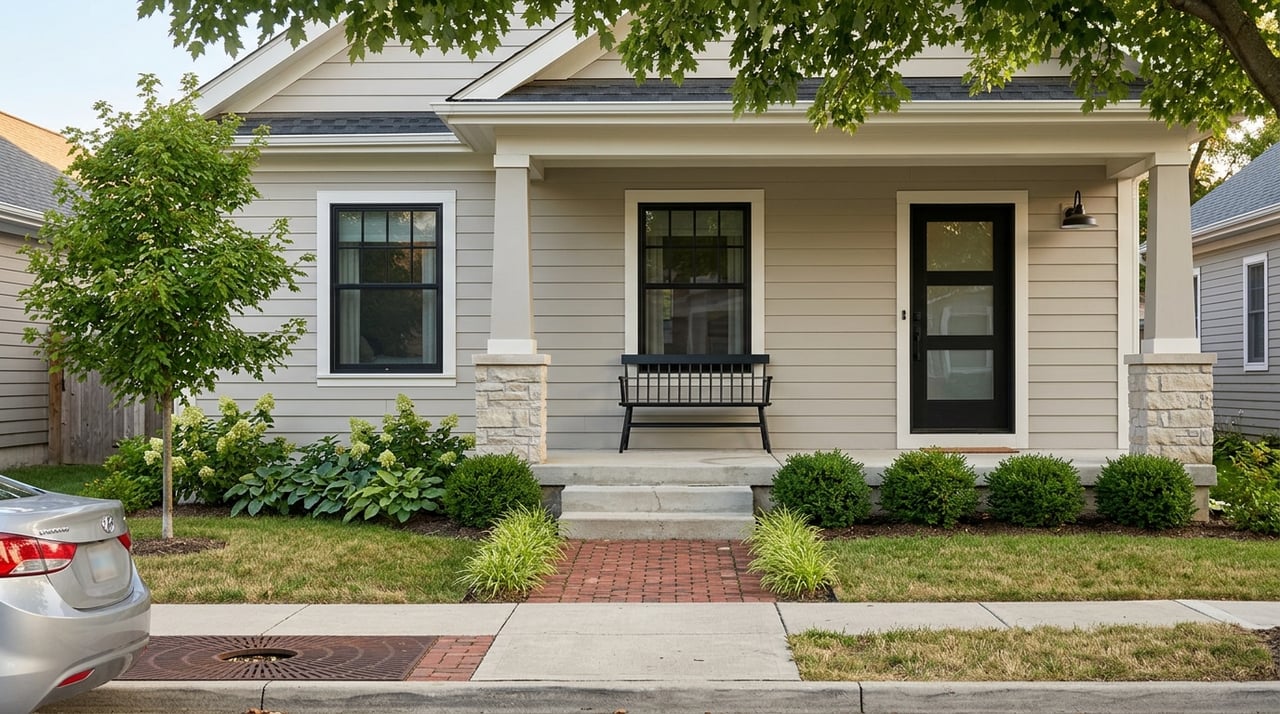
That matters because the feel of the area changes quickly as you move a few blocks. One property may be close to restaurants, retail, and regular events, while another may sit on a more traditional residential street with porches, yards, and easier day-to-day parking. If you are home shopping here, that block-by-block difference is one of the most important things to understand.
In the Downtown Core, the city expects a pedestrian-scale business environment. Lots are typically narrow, buildings sit close to the sidewalk, and parking is usually on the street or behind the building. New construction is generally two to four stories.
If you buy in or very close to this area, you may see more mixed-use properties, apartments above retail, and homes that prioritize walkability over private outdoor space. This can be a strong fit if you value convenience and being close to the center of activity.
The Transitional Subdistrict keeps a more urban pattern but allows more variation. This area is mostly made up of one- and two-story commercial buildings with front entrances and street or rear parking. Depending on the exact location, you may find a blend of commercial activity and nearby residential options.
For buyers, this often means you should pay close attention to how the property is used and what sits next door. A home near a busier stretch may feel very different from one on a quieter side street.
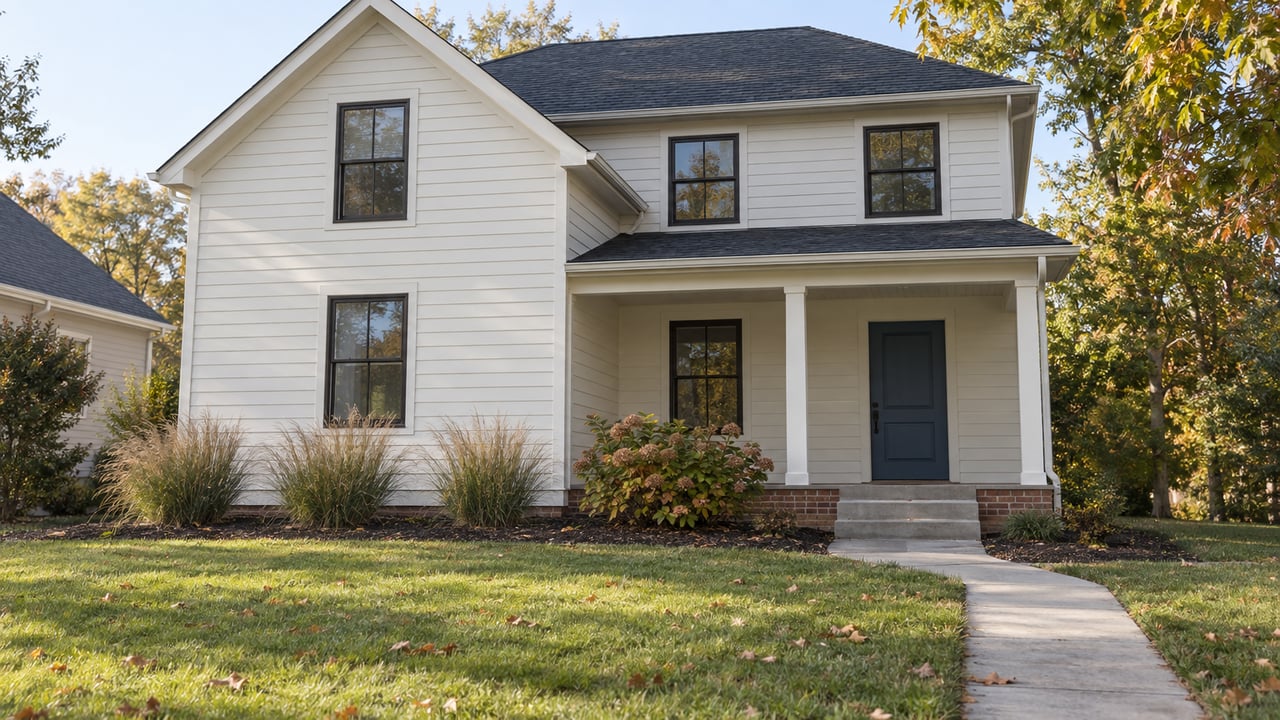
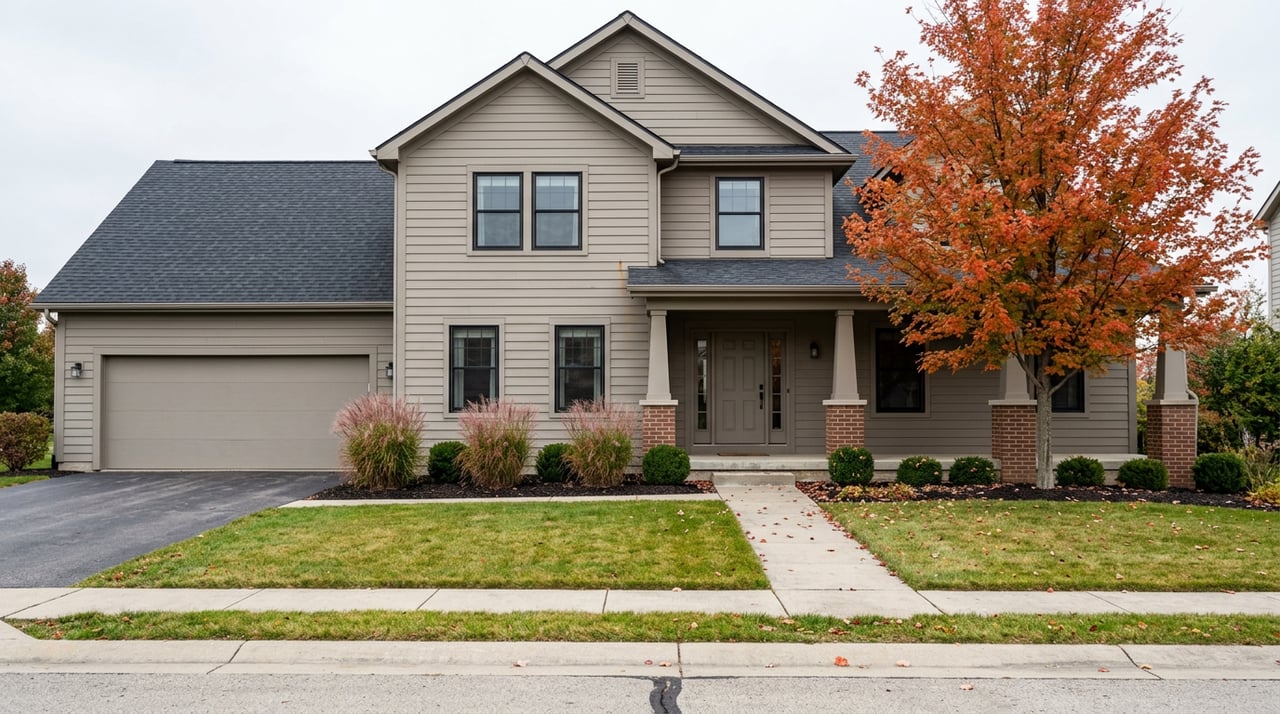
In the Residential Subdistrict, the character becomes more clearly residential. The standards describe free-standing homes with front, side, and back yards, simple 1.5- or 2-story forms, porches, hipped or gabled roofs, and no street-facing garages.
A few blocks beyond downtown, Delaware’s Traditional Residential Character Areas still feel walkable and pedestrian-oriented, but more like older neighborhood streets. The city notes narrow side yards, mixed building types on a block, and on-street parking as common patterns in these areas.
One of the biggest reasons buyers look near downtown Delaware is the lifestyle. The area has seen improvements such as streetlights, bricking, drainage, curbs, and sidewalks. The city and the APA also point to bikeways that help connect downtown with parks, neighborhoods, services, and businesses.
In real life, that can mean shorter walks, easier access to errands, and less dependence on long drives for every outing. Compared with newer suburban subdivisions, downtown-adjacent areas often offer a stronger street-level environment and a more connected daily routine.
Main Street Delaware’s First Friday events are a good example of that lifestyle. These events are designed for people to walk the shops, eat at local restaurants, and stay downtown after hours. If that sounds appealing, being near downtown may feel like a real lifestyle upgrade.
Parking is one of the biggest practical differences between living directly downtown and living a few blocks away. This is not a small detail. It can shape your daily routine, guest parking, and how easy the home feels to live in.
The city offers a mix of paid spaces, free timed parking, and longer-term lots in the downtown area. Paid parking, including municipal lots 1 through 4, is $1 per hour Monday through Friday from 9 a.m. to 5 p.m. Parking is free on Saturday and Sunday.
Free downtown parking is limited to two hours Monday through Friday from 9 a.m. to 6 p.m. The city also offers free, no-time-limit parking in lots 5 and 6. If you want a more predictable setup, monthly permits are available for $50 plus fees.
In the Residential Subdistrict and on traditional residential streets, you are more likely to see driveways, rear parking areas, detached garages, and on-street parking as part of the normal pattern. In the Downtown Core and Transitional Subdistricts, parking is generally expected to be on the street or at the rear rather than beside the building.
Before you make an offer, ask practical questions like:
The city also performs downtown street sweeping between 4 and 6 a.m. and adds extra sweeps before and after special events. That is another reminder that downtown parking often comes with more moving parts than a typical suburban setup.
Downtown Delaware has an active calendar, and that can be a plus or a drawback depending on what you want. The closer you are to Sandusky, William, Winter, or the core DORA area, the more likely you are to notice event traffic and crowd noise at certain times.
First Fridays run from 6 p.m. to 9 p.m., and Main Street Delaware says the event draws about 5,000 to 10,000 people each month. The organization also notes that the road is closed from April through December during these events. If you love the energy, that may be part of the appeal. If you prefer a quieter evening routine, you may want to look a few blocks farther out.
The farmers market also creates a recurring traffic change. During the season, it takes place on Saturday mornings, and Sandusky Street closes from William Street to Winter Street on market mornings.
Holiday programming brings additional seasonal activity. Main Street Delaware highlights the tree lighting, parade, skating rink, and carriage rides centered around William and Sandusky Streets. These events help make downtown vibrant, but they can also affect parking, traffic flow, and the feel of nearby blocks.
If you are drawn to an older property near downtown, make sure you understand the historic district rules before you plan updates. In the downtown historic district, exterior alterations can require a Certificate of Appropriateness from the Historic Preservation Commission.
The rules can apply to items such as paint, signs, roofs, and facades. That does not mean a historic-area home is the wrong choice. It simply means you should go in with clear expectations if you want to change the exterior after closing.
The best way to think about buying near downtown Delaware is to weigh convenience against intensity. The closer you get to the Downtown Core and Transitional areas, the more walkable and active the setting tends to be. The farther you move into the Residential Subdistrict or Traditional Residential streets, the more likely you are to find yards, rear parking, and a lower-intensity daily rhythm.
That tradeoff is not good or bad. It just needs to match how you live. If you want to walk to events, restaurants, and local businesses, being close to the core may be worth it. If you want quick downtown access but prefer a more traditional home setup, a few blocks out may be the better fit.
When you tour homes near downtown, focus on the day-to-day details as much as the house itself.
This kind of area rewards buyers who pay attention to how the property lives, not just how it looks online. A responsive local agent can help you compare those tradeoffs clearly and avoid surprises.
If you are considering a home near downtown Delaware, the goal is simple: find the block and property type that fit your routine, not just your wish list. When you understand the area’s walkability, parking setup, event activity, and historic rules, you can buy with a lot more confidence. If you want a clear, local perspective on Delaware County homes and a hands-on buying process from search to closing, connect with David E Straight.


Trust him to guide your real estate journey with clarity and dedication. With David’s local insight, strong marketing, and client-first approach, he makes buying or selling smoother, smarter, and more rewarding.