How to Prepare Your Delaware, OH Home for Sale
June 18, 2026
June 18, 2026
If you are getting ready to sell in Delaware, Ohio, it is easy to wonder how much you really need to do before your home hits the market. The good news is that you do not need a full renovation to make a strong impression, but you do need a clear plan. In a market where presentation, pricing, and photos can shape buyer response, smart preparation can help your home stand out. Let’s dive in.
Delaware has an active housing market, with hundreds of homes for sale and median list prices in the mid-$400,000 range depending on the data source. Market reports also show homes spending around 31 to 44 days on market, with sale-to-list ratios around 100% and about two offers on average in recent closed-sale data. That tells you something important: buyers are active, but they still compare options closely.
In other words, a home that looks clean, cared for, and easy to understand can have an edge. Strong presentation helps buyers connect with the property online first, then in person. That is especially important in Delaware, where housing styles and home ages can vary quite a bit.
Delaware’s housing stock is made up mostly of detached, owner-occupied single-family homes. A large share of homes have three or four bedrooms, and the city includes both older properties and newer homes built in the 2000s. Because of that mix, your prep strategy should fit your specific home rather than follow a one-size-fits-all checklist.
For many buyers, function matters just as much as style. They may pay close attention to storage, garage space, outdoor usability, and whether major systems appear well maintained. If your home makes daily life feel simple and organized, that can support a better first impression.
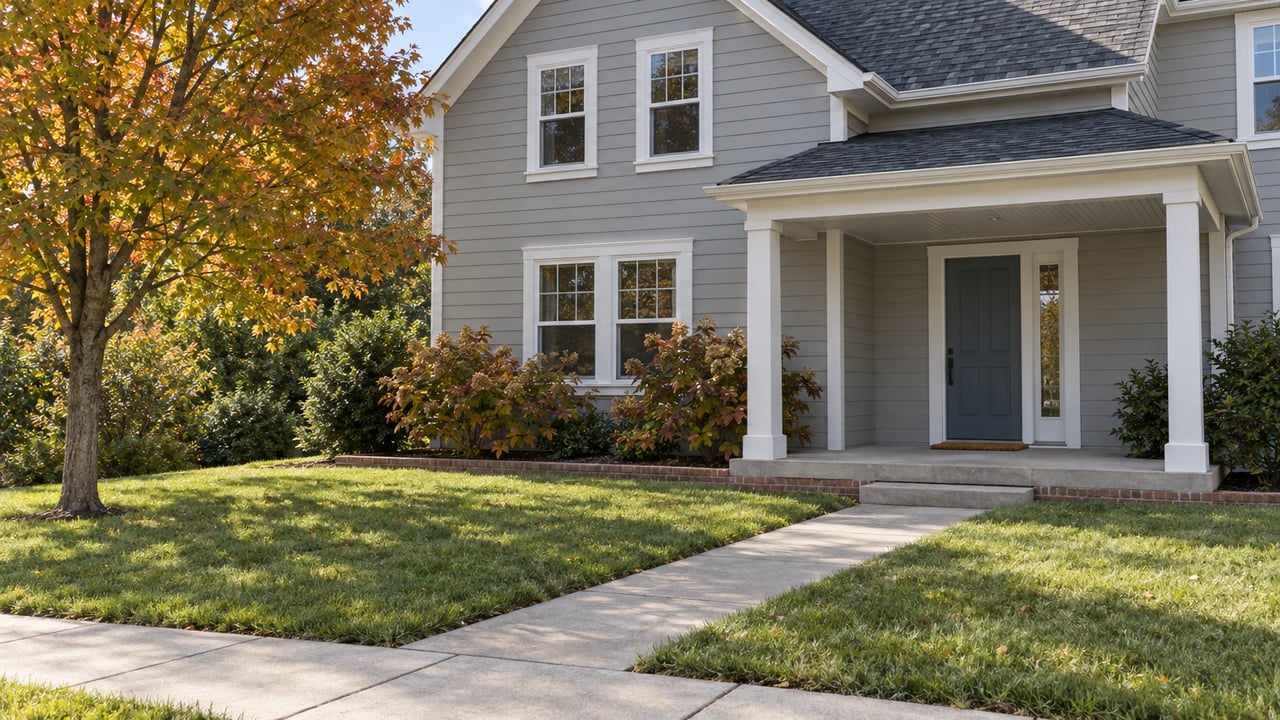
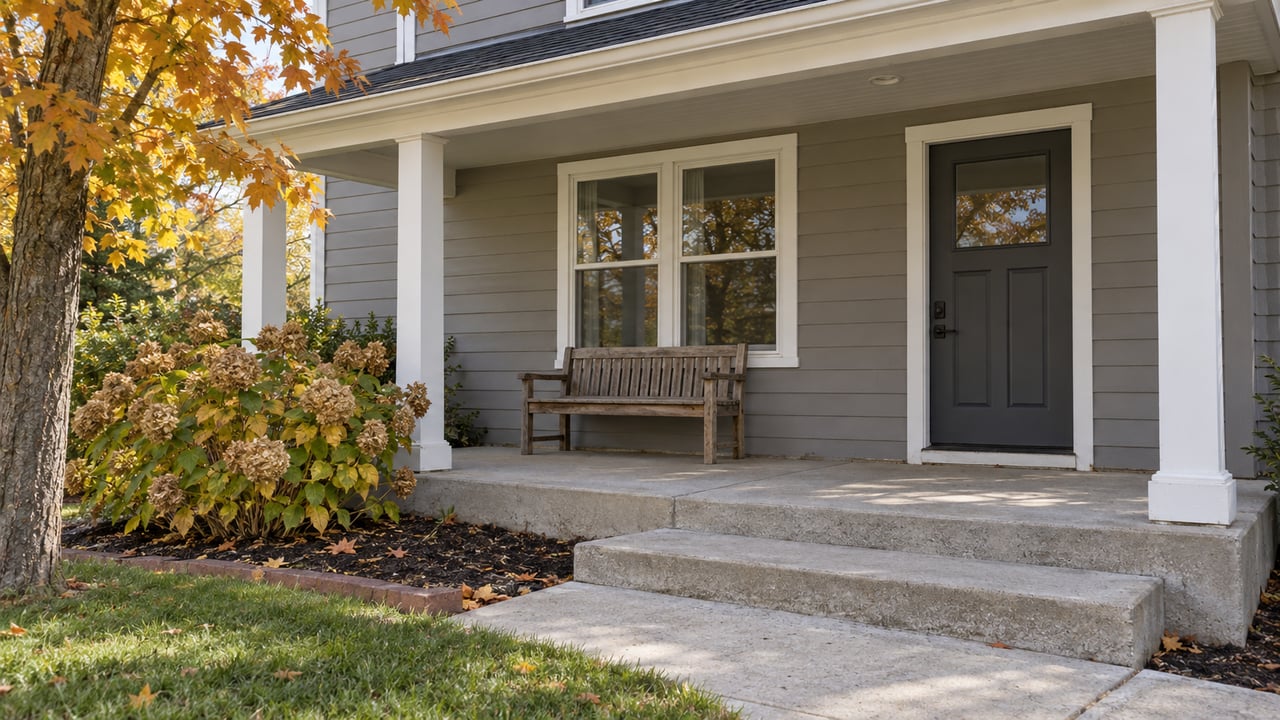
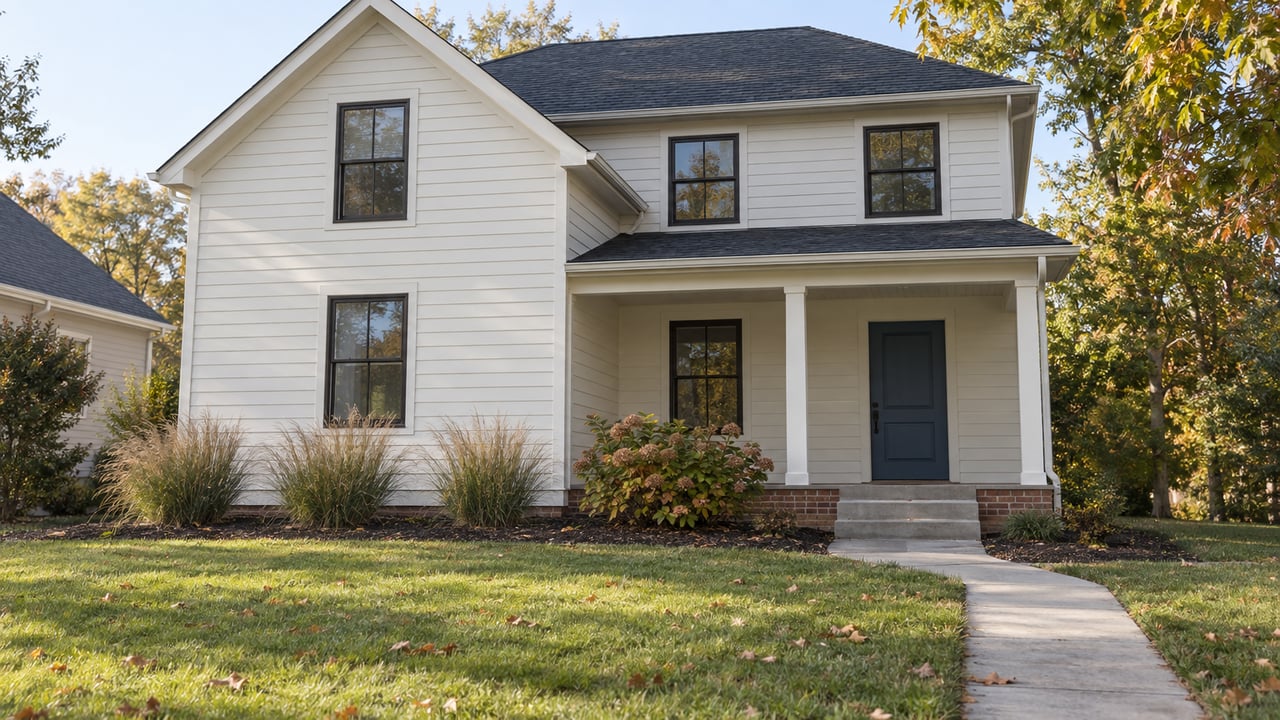
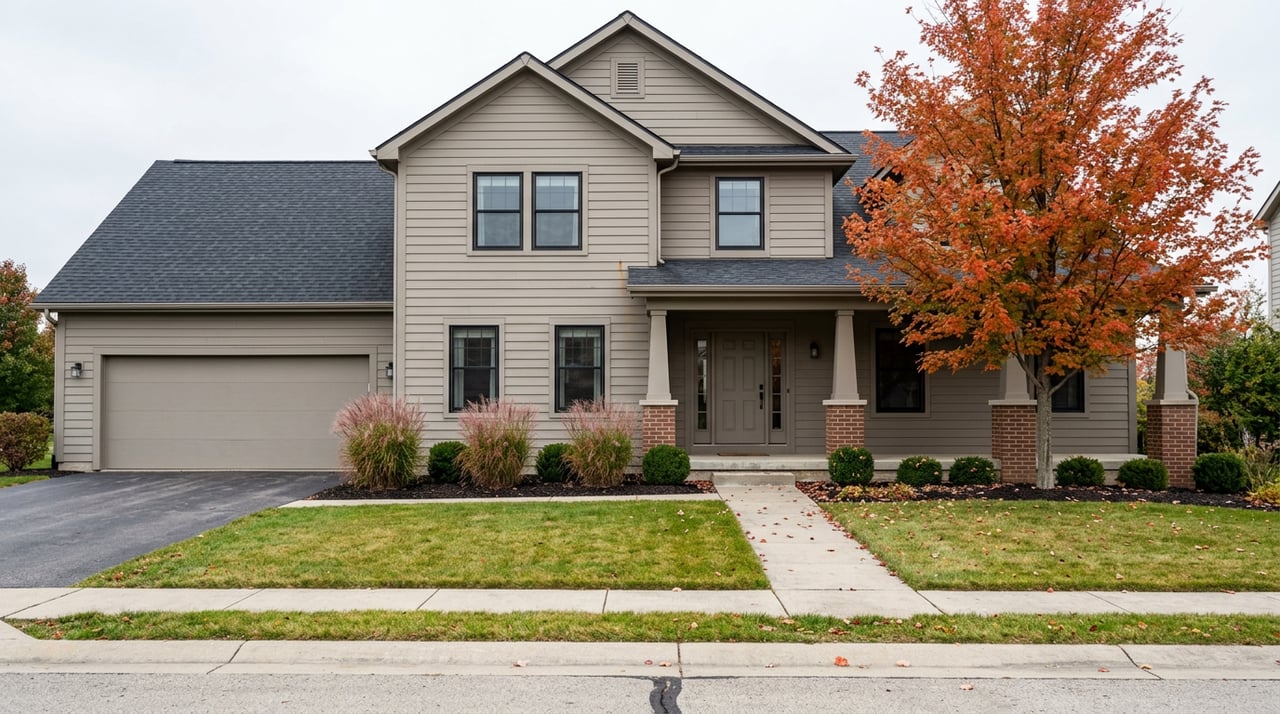
Your exterior is the first thing buyers see in photos and from the street. If the outside looks neglected, buyers may assume the inside has similar issues. A clean, welcoming entry can set the tone before anyone steps through the door.
Focus first on the basics:
These are not flashy projects, but they can make a real difference. In listing photos, a neat exterior helps your home look move-in ready and cared for.
If your home is in Delaware’s Downtown Historic District, exterior work may be subject to additional review. The city notes that exterior changes such as fixtures, design details, paint colors, signs, and other visible elements can be regulated, and exterior alterations require a Certificate of Appropriateness before work begins.
That means you should check city requirements before making visible changes. A quick review on the front end can help you avoid delays later.
A spotless home can still lose momentum if buyers notice signs of deferred maintenance. Before listing, take a practical look at the items that often come up during inspections. This is where disciplined prep can protect your timeline and reduce last-minute negotiations.
Common areas inspectors may review include:
NAR consumer guidance also notes that optional pre-sale inspections can help sellers identify issues before showings begin. This is often especially useful for older Delaware homes, where age-related wear may not be obvious at first glance.
You do not need to fix every cosmetic flaw. Instead, start with issues that suggest poor maintenance or raise questions about safety and function. Foundation drainage concerns, faulty wiring, HVAC problems, and missing safety alarms tend to carry more weight than dated finishes.
If you are deciding where to spend money, think in this order:
That approach helps you focus on repairs that can protect value and reduce buyer hesitation.
In Delaware, more-than-cosmetic repairs may trigger local permit requirements. The city’s Building Division states that new construction, alterations, improvements, and replacements need permit approval before work starts. Structural, electrical, and mechanical work generally require permits, and residential permits are also required for items such as fences, decks, sheds, garages, and additions.
Plumbing permits are handled through the Delaware County Health District. If you are planning repairs, it is smart to confirm permit needs early so your listing timeline stays on track.
Cleaning is one of the highest-impact steps you can take before listing. Buyers notice dirt, dust, odors, and buildup quickly, especially during showings. A clean home also photographs better, which matters because online photos often decide whether a buyer schedules a visit.
NAR guidance recommends cleaning windows, carpets, lighting fixtures, and walls, while removing clutter and clearing surfaces. Think beyond quick tidying. The goal is a home that feels fresh, bright, and easy to picture living in.
Use this simple deep-clean checklist:
A deep clean does more than make your home look better. It helps buyers focus on space, layout, and condition instead of distractions.
You do not need magazine-level styling to benefit from staging. What buyers need most is a home that feels open, neutral, and functional. According to NAR’s 2025 staging report, staging helps buyers visualize a home as their future residence, and the living room, primary bedroom, and kitchen are the most important rooms to stage.
That gives you a strong place to focus your effort. If your time or budget is limited, make those rooms your priority.
Keep seating simple and balanced. Remove bulky or extra furniture so the room feels easy to move through. Add a few clean accents, but avoid filling every surface.
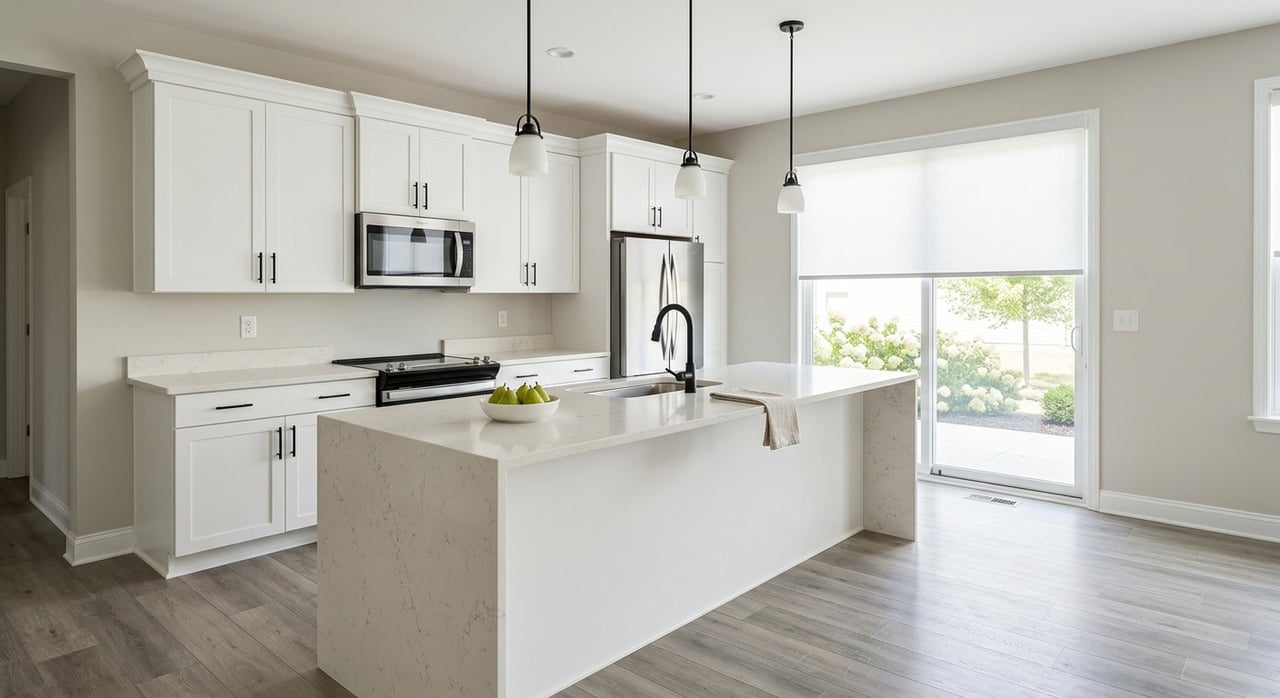
Clear counters as much as possible. Put away small appliances, wipe every surface, and make sure lighting is bright. Buyers often notice whether the kitchen feels functional, clean, and ready for daily use.
Use simple bedding, reduce personal items, and create a calm look. The room should feel restful and spacious, not crowded or overly styled.
Delaware includes a meaningful share of older homes, including properties built in 1939 or earlier. Some homes may also feature architectural details that add real appeal, from traditional trim and masonry to period-specific design elements. In those homes, preparation should focus on cleanliness, repair, and presentation rather than stripping away original character.
That means you should be careful with heavy-handed cosmetic changes. Freshening details, repairing worn areas, and highlighting craftsmanship can be more effective than trying to make an older home look brand new.
A smoother sale often starts with better organization. When buyers ask questions, having records ready can build confidence and reduce back-and-forth during contract negotiations.
For many Delaware sellers, it helps to gather:
Ohio law requires a residential property disclosure form for most residential transfers. The form covers known material defects and includes topics such as water and sewer issues, structural condition, and hazardous materials.
If the process feels overwhelming, keep it simple and move step by step. Most sellers do best when they focus on the work that improves buyer confidence first, then move to presentation.
Here is a practical order to follow:
This kind of plan keeps you from spending energy in the wrong places. It also helps you get to market in a more organized, confident way.
Many sellers delay listing because they think the home needs to be flawless first. In reality, most buyers are not looking for perfection. They are looking for a home that feels cared for, easy to understand, and worth a closer look.
In Delaware, where homes can range from older character properties to newer suburban layouts, smart preparation helps buyers see the value clearly. If you focus on curb appeal, condition, cleanliness, staging, and paperwork, you will be in a much stronger position when your home goes live.
If you are getting ready to sell and want a practical plan based on your home, your timeline, and the Delaware market, David E Straight can help you move forward with clear advice and responsive support.



Trust him to guide your real estate journey with clarity and dedication. With David’s local insight, strong marketing, and client-first approach, he makes buying or selling smoother, smarter, and more rewarding.