Thinking about buying a home in a Delaware, OH neighborhood with a homeowners association? You are smart to dig into the fees, rules, and fine print before you fall in love with a property. A little upfront homework can protect your budget and your lifestyle after closing. This guide gives you a clear, local look at what HOAs cover, how fees work, and which documents to review so you can buy with confidence. Let’s dive in.
HOA basics in Delaware, OH
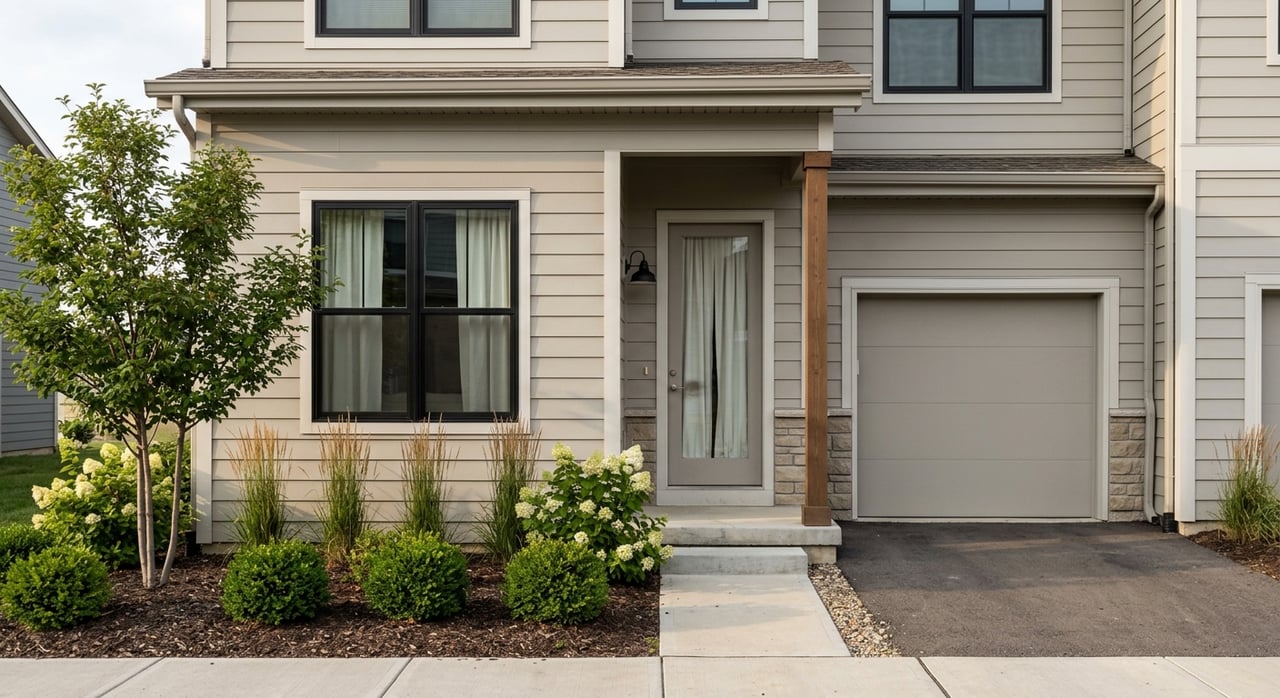
Delaware has a mix of older neighborhoods, newer subdivisions, and condo or townhome communities. Newer subdivisions and master-planned areas are most likely to have mandatory HOAs. Many townhome and condo projects are governed by a condominium association that manages the building and shared elements.
You may encounter several types of associations:
- Condominium association: Governs units and common elements. Usually carries a master building insurance policy. Owners insure interiors and personal property.
- Homeowners association: Common in planned subdivisions. Oversees common-area maintenance and community standards for exterior appearance.
- Master association with sub-associations: A master HOA handles shared amenities like a pool or clubhouse. A sub-association may manage neighborhood-level rules or condo buildings.
- Rural or private road associations: Smaller groups focused on road or stormwater upkeep. These can be less formal.
Most associations in Ohio are nonprofit corporations guided by recorded covenants, conditions and restrictions, bylaws, and articles of incorporation. Enforcement procedures and disclosures are set by those documents and applicable Ohio law. When you review a specific community, rely on the recorded documents and speak with a local attorney if you need legal interpretation.
What HOA fees usually cover
Maintenance and daily services
In Delaware-area communities, HOAs often take care of exterior common areas and neighborhood features. That can include mowing, landscaping, tree care, entrance monuments, and in some cases sidewalks. Many associations also manage contracts for trash and recycling, seasonal mulching, leaf pickup, or street cleaning. Coverage varies by community, so confirm what is and is not included.
Amenities and private roads
If a neighborhood has amenities, the HOA typically runs them. Pools, clubhouses, playgrounds, fitness rooms, and trails are common, with posted hours and use rules. Some subdivisions have private roads and HOA-managed snow removal. The HOA also may be responsible for stormwater systems and retention basins, including inspection and maintenance.
Insurance basics
- Condominiums: The association maintains a master policy for the building structure. Unit owners usually carry an HO-6 policy for interiors, personal property, and loss assessment coverage as required by the documents. Whether the master policy is bare walls-in, single entity, or all-in depends on the governing documents.
- Single-family subdivisions: The HOA insures common areas and amenities. You carry a standard homeowners policy for your property and liability.
Always verify what the master policy covers and the owner policy requirements before you bind insurance.
Common HOA rules to expect
Associations use rules to protect property values and maintain a consistent look and feel. In Delaware-area communities you will often see:
- Architectural standards: Exterior paint colors, siding, fences, sheds, additions, and major changes usually require approval by an architectural review committee.
- Landscaping and yard care: Minimum lawn height, weed control, and storage rules for trash and yard waste.
- Parking and vehicles: Limits on street parking, restrictions on boats and RVs, rules for commercial vehicles, and temporary permits.
- Leasing and rentals: Caps on rental percentages or restrictions on short-term rentals in some communities.
- Pets: Leash rules, limits on number of pets, and in some cases size restrictions.
- General use and nuisance: Noise expectations, timelines for holiday decorations, and signage standards.
- Amenities: Guest policies, reservation procedures, and liability waivers where required.
Enforcement tools often include notices of violation, fines, suspension of amenity access, administrative hearings, assessment liens, and in some cases foreclosure for unpaid assessments. The process and limits come from the association’s documents and state law.
How HOA fees are structured
Recurring assessments and reserves
HOA dues are billed monthly, quarterly, or annually. Condos often bill monthly. Single-family subdivisions may bill quarterly or annually. Your dues typically fund two buckets:
- Regular assessments: Day-to-day costs like common-area landscaping, utilities for common spaces, insurance premiums for the association, management fees, amenity operations, and admin expenses.
- Reserve contributions: Savings set aside for major future repairs or replacements such as roofs, paving, or pool resurfacing. Healthy reserves lower the risk of large special assessments later.
One-time charges and special assessments
Expect one-time or transactional fees, such as transfer or processing fees when a home changes hands, move-in or move-out deposits for condos, amenity access fob fees, late charges, and fines for violations.
Special assessments occur when regular dues and reserves are not enough to pay for a large repair, emergency, or capital project. They can be billed as a lump sum or installments. Frequency depends on reserve strength, age and condition of improvements, and unexpected events like storm damage.
Fee levels vary by community
There is no single typical number for HOA dues in Delaware. Fees vary based on the type of community, size and quality of amenities, private roads, and how well reserves are funded. Always verify current dues and review the most recent budget and reserve study for the specific property you are buying.
Budgeting and mortgage impact
HOA dues affect both your monthly cash flow and loan approval. Lenders include recurring HOA dues in your housing payment when they calculate your debt-to-income ratio. For condos, some loan programs require project approval and may ask for additional documents or reserves.
Use this simple approach when you budget:
- Total monthly housing cost equals principal and interest plus property taxes divided by 12 plus homeowners insurance divided by 12 plus HOA dues plus utilities or other recurring housing fees.
Here is a hypothetical example for math only:
- Principal and interest: 1,900 dollars
- Property taxes: 450 dollars per month equivalent
- Homeowners insurance: 100 dollars per month equivalent
- HOA dues: 75 dollars
- Estimated total monthly housing cost: 2,525 dollars
Your numbers will differ. Confirm the exact dues and what they cover before you make an offer.
Also check for any unpaid assessments tied to the property. If the seller is behind, liens can attach to the home. Your title company and lender will want clear documentation of the assessment status before closing.
Documents to review before you close
Request the HOA or condo packet early in your contract period. In many transactions, the seller provides a resale certificate or estoppel letter through the association or its management company. Use this checklist to guide your review.
Governing documents
- Declaration of Covenants, Conditions and Restrictions or Condominium Declaration
- Bylaws
- Articles of Incorporation if the association is a corporation
- Rules and Regulations, Architectural Guidelines, and Design Standards
- Recorded plat or survey showing common areas and easements
Financial documents
- Current year operating budget and most recent year-end financial statements
- Recent monthly bank statements if available, or any independent review, compilation, or audit
- Reserve study or engineer’s report, plus the association’s reserve funding policy
- Schedule of regular assessments with due dates and any planned increases
- List of special assessments in the last 3 to 5 years and any planned assessments
- Fee schedule for transfers, move-ins, and admin charges
- Current delinquency report showing the percentage of owners behind on dues
Legal and administrative
- Minutes of board and annual meetings for the last 12 to 24 months to see recurring issues or planned projects
- Disclosure of any pending litigation and known risks
- Contracts with key vendors such as the management company, landscaper, snow removal, pool operator, and security, including term length and renewals
- Insurance declarations for the master policy with coverage, limits, and deductibles, and proof of liability insurance for common areas
- Certificate of insurance and owner insurance requirements, including any HO-6 recommendations
- Estoppel letter or resale certificate showing assessment status, special assessments due, and any fines or liens
- Architectural review procedures, plus any pending approvals or denials that affect the property
- Occupancy and rental restrictions that could affect your plans
- Management contact information and whether the association is self-managed or professionally managed
Property-specific items
- Seller disclosure of any outstanding violation notices
- History of assessments tied to the unit or lot
- Survey if property lines, easements, or private roads are involved
Get help where needed
- Ask a real estate attorney to explain any ambiguous language in the governing documents.
- Have an experienced agent or financial professional help you understand reserve studies and financial statements, especially if reserves look thin.
Smart questions to ask
Go into your offer and inspection period with clear questions:
- How much are the dues and how are they billed monthly, quarterly, or annually? Are increases planned?
- What is covered by dues, including utilities, landscaping, roof, insurance, private roads, trash, reserves, and amenities?
- Is there a recent reserve study? What percentage of recommended reserves is funded?
- Have special assessments been levied in the last five years? Are any planned or under discussion?
- Are there pending lawsuits? What are potential costs and risks?
- What is the delinquency rate for dues? A higher percentage can signal risk.
- What insurance does the HOA carry, and what coverage must you carry including any loss assessment coverage?
- Are there rental or leasing restrictions that affect your plans?
- Who manages the association and how responsive are they to owner requests?
- Are private roads included? What are the expectations and timelines for road repair or replacement?
Red flags to investigate
Watch for issues that may affect cost, use, or future risk:
- No reserve study or low reserve balances
- Repeated or large special assessments in recent years
- High delinquency rates for dues payments
- Significant pending litigation or vendor disputes
- Rules that conflict with your plans, such as rental prohibitions or pet limits
- Missing or incomplete financial records, or delays in providing a resale packet or estoppel certificate
Contract tips and next steps
- Make receipt and review of HOA documents a condition of your purchase contract. Use an HOA review contingency with enough time to evaluate the packet.
- Require an estoppel letter showing no outstanding assessments are due at closing, or specify that the seller must resolve any delinquencies.
- Plan for timing. HOA packets can take several business days. Build that into your timeline.
- If you uncover concerns such as reserve shortfalls or lawsuits, consider negotiating a credit, price reduction, or escrow to cover potential assessments.
After you close
- Register with the HOA and update your contact information.
- Review board minutes regularly to stay aware of projects and budgets.
- Consider volunteering on a committee or the board if you plan to stay long term.
- Set up autopay to avoid late fees, and note billing cycles on your calendar.
Ready to evaluate an HOA community in Delaware with a steady, no-drama process? As a local agent and Air Force veteran, I take a disciplined, step-by-step approach to reviewing HOA documents and guiding you through closing. If you want help gathering the right packet and understanding how dues affect your budget, reach out to David E Straight.
FAQs
What do HOA fees usually cover in Delaware, OH communities?
- Dues typically fund common-area maintenance, amenities, management, insurance for shared areas, utilities for common spaces, and reserves for future repairs, but coverage varies by community.
How do HOA dues affect my mortgage approval in Ohio?
- Lenders include monthly HOA dues in your housing payment when calculating debt-to-income, and condo loans may require project approval with extra documentation.
Which documents should a Delaware, OH buyer review for an HOA home?
- Request the CC&R or condo declaration, bylaws, rules, budget, financials, reserve study, meeting minutes, insurance declarations, fee schedule, delinquency report, and an estoppel or resale certificate.
What is a special assessment in an HOA and why does it happen?
- A special assessment is a one-time charge when regular dues and reserves are not enough to pay for a major repair, emergency, or capital project, and it may be billed as a lump sum or installments.
Are rental rules common in Delaware, OH HOAs?
- Many associations have leasing restrictions such as caps on rental percentages or limits on short-term rentals, so confirm rules in the governing documents.
Who maintains private roads in some Delaware subdivisions?
- If roads are private, the HOA is often responsible for maintenance and snow removal, which can affect dues and future reserve needs, so verify responsibilities in the documents.