Living in Delaware, Ohio: Homes, Schools & Daily Life
February 5, 2026
February 5, 2026
Thinking about a move to Delaware, Ohio? You want a friendly community that still keeps you close to Columbus jobs, parks, and everyday conveniences. This guide gives you a clear picture of housing, schools, commute time, and what daily life feels like so you can decide if it fits your plans. Let’s dive in.
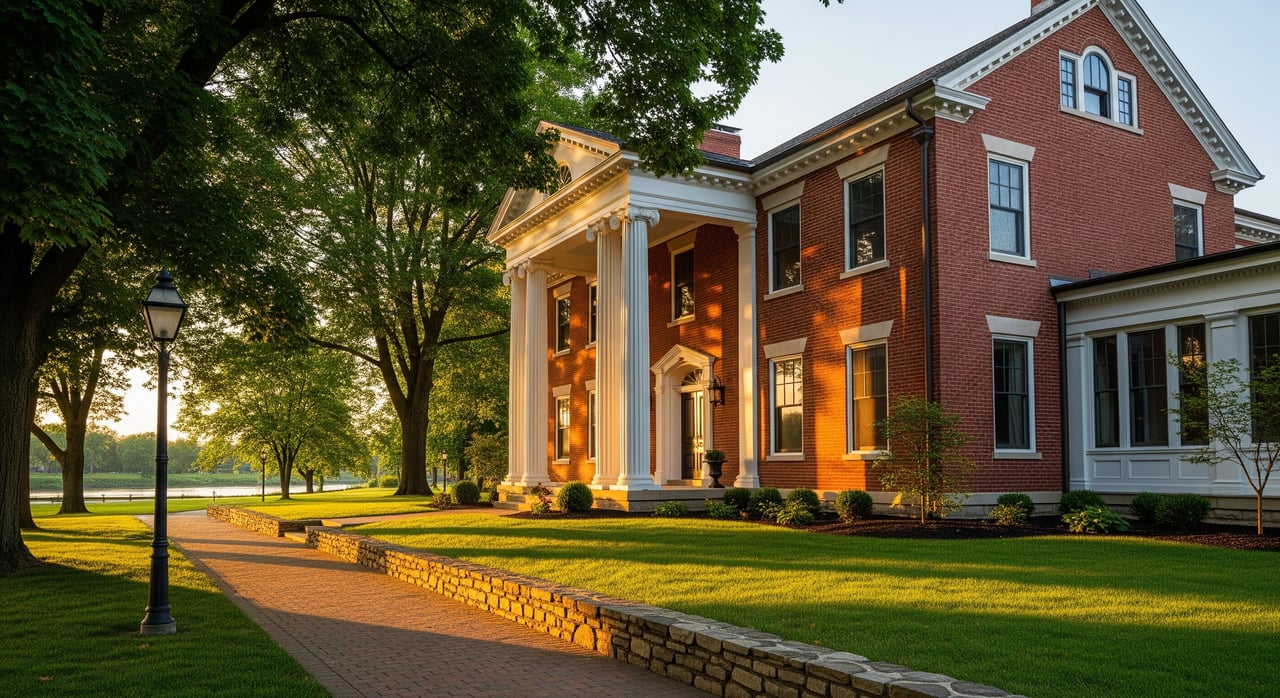
Delaware is a small city just north of Columbus with a historic downtown and growing suburban neighborhoods. It serves as the county seat and sits in one of Ohio’s faster‑growing counties. You’ll find a college‑town feel thanks to Ohio Wesleyan University and a lively main street with local shops and events. Learn more about city services and community programs from the City of Delaware.
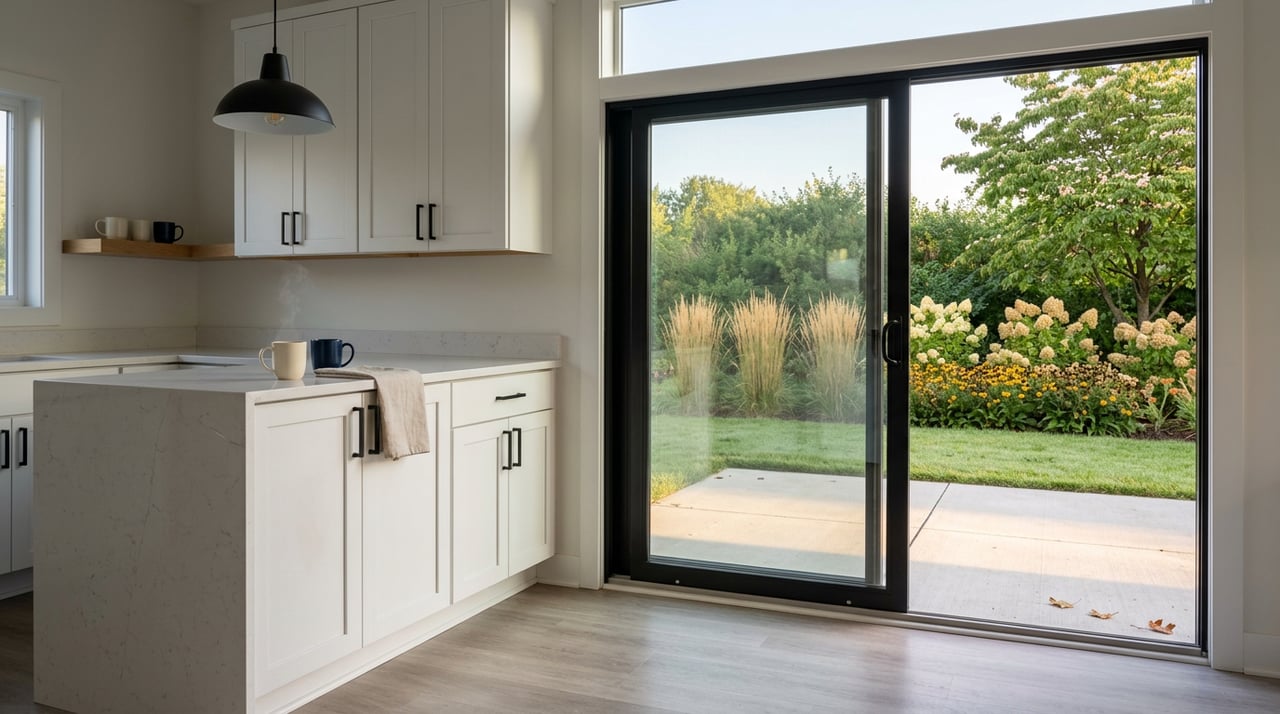
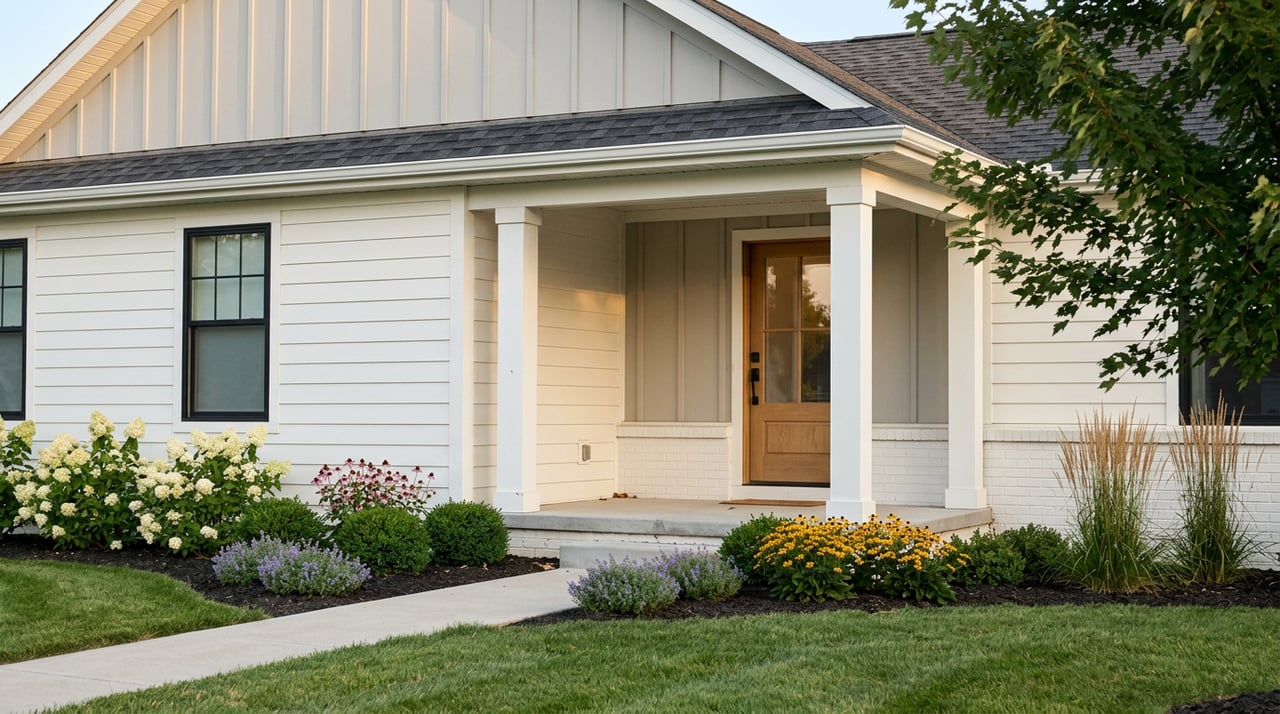
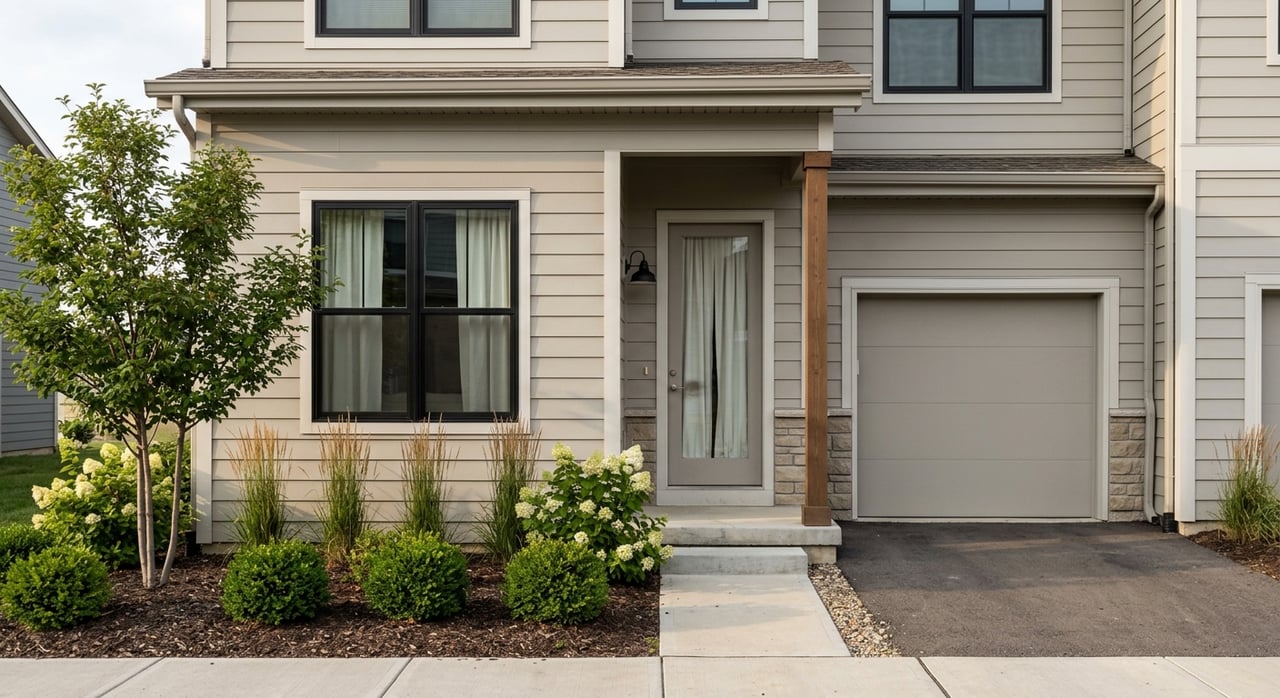
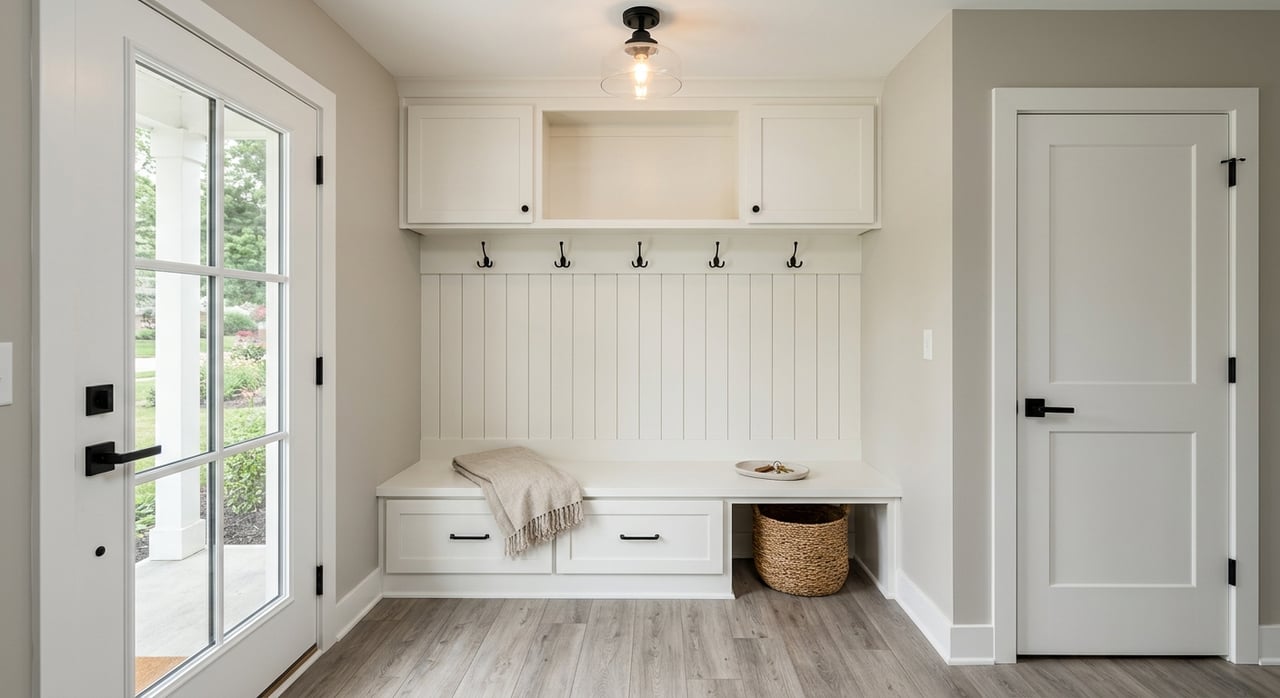
You can choose from several home styles and settings:
Recent years brought steady growth followed by a more balanced market in 2023–2024. Typical prices often range from the low to mid hundreds of thousands to the low 300s, depending on the neighborhood and home size. Inventory can shift with the season, so timing matters. Older homes may need updates to HVAC, electrical, windows, or roofs, so build inspections and potential renovation into your budget.
Many residents work in the broader Columbus job market, while Delaware also has local employers in healthcare, education, government, and light manufacturing. Downtown Columbus is roughly 20 to 30 miles, with typical drive times of about 30 to 45 minutes outside of heavy traffic. Public transit is limited, so most households rely on a car. Ohio Wesleyan University anchors the city’s cultural scene and provides local employment; explore campus events and programs through Ohio Wesleyan University.
If you fly often, John Glenn Columbus International Airport is commonly a 30 to 45 minute drive depending on traffic and route. For remote workers, broadband access can vary by neighborhood, so confirm provider options before you buy.
Delaware City Schools serves most of the city, with Delaware Hayes High School as the main high school. Program offerings and performance can differ by school. For the most current information, review the Ohio Department of Education report cards and schedule school visits.
Some nearby subdivisions may fall into other districts, which can also affect property taxes. If schools are a top priority, verify boundaries at the parcel level before you make an offer. Families will also find a mix of daycare centers, preschool programs, and church‑based options. Waitlists are common in fast‑growing areas, so plan ahead.
Outdoor time is easy here. The standout is Alum Creek State Park, which offers boating, fishing, seasonal beach access, and miles of trails. Local paths along the Olentangy River are popular for biking and walking.
Downtown hosts restaurants, cafés, and small breweries, plus year‑round events. The Delaware County Fair is a major regional draw, highlighted by the nationally known Little Brown Jug harness race at the fairgrounds. Families also love the programs and events through the Delaware County District Library.
If you enjoy arts and lectures, Ohio Wesleyan University adds concerts, theater, and campus events throughout the year. Youth sports, city parks, and recreation programs round out the local activity list.
Overall cost of living can be higher than the Ohio average in some categories, with housing as the main driver, yet lower than many large U.S. metros. Property tax rates vary by township and school district. Levies for schools and services can change annual tax bills, so compare parcels carefully and review HOA fees where applicable.
Delaware’s crime rate tends to be lower than larger nearby cities, though it can vary by area. For local context, review the Delaware Police Department resources and crime maps, and visit neighborhoods at different times of day.
Flood zones exist along river corridors. Before you buy, review maps and get quotes when relevant through the FEMA Flood Map Service Center.
Use this quick checklist to stay organized:
Every market has tradeoffs. Here are the common ones in Delaware:
Buying or selling here should feel clear and efficient. As a veteran‑led local practice, we bring disciplined communication, practical guidance, and strong negotiation to your move in Central Ohio. We support buyers and sellers across Delaware and nearby suburbs, including relocation support and VA‑friendly expertise for service members and first responders.
If you want a friendly, small‑city lifestyle with easy access to parks and Columbus jobs, Delaware could be a great fit. Ready to explore homes or get a feel for specific neighborhoods? Reach out to David E Straight for local guidance and a smooth path from search to closing.
Trust him to guide your real estate journey with clarity and dedication. With David’s local insight, strong marketing, and client-first approach, he makes buying or selling smoother, smarter, and more rewarding.