Thinking about buying or selling in Sunbury and want the facts, not the noise? You are not alone. With steady growth and easy access to the I‑71 corridor, Sunbury draws both commuters and move‑up buyers, which can make the market feel fast and competitive at times. In this guide, you will learn how to read the Sunbury housing market, what actually drives price and speed, and practical steps to act with confidence. Let’s dive in.
How to read the Sunbury market
If you follow just a handful of numbers, you can understand almost any local market. For Sunbury, focus on:
- Active listings and months of inventory (MOI)
- Median sale price and price per square foot
- Days on market (DOM) and how many sell in 14, 30, or 60 days
- Sale‑to‑list price ratio
- New construction share of closings
MOI is a useful snapshot of leverage:
- Under 3 months = strong seller’s market
- 3 to 6 months = balanced market
- Over 6 months = buyer’s market
Because Sunbury is a smaller, fast‑growing village, single‑month stats can swing. Read the last 12 months for the big picture, and the last 3 months to spot near‑term changes.
Inventory and new construction
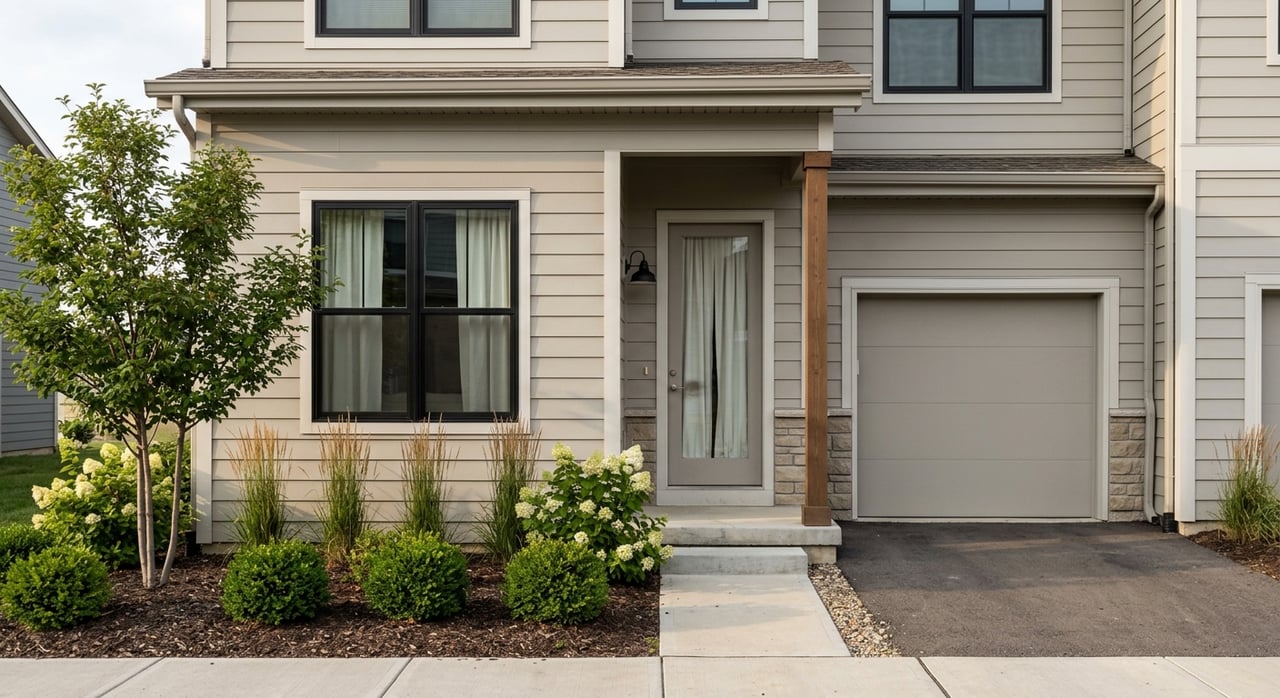
Sunbury has added housing through new subdivisions and infill, which increases choices for buyers. Builders often price new homes higher per square foot than comparable resales. They may also offer incentives such as credits or rate buydowns, which can shift buyer attention from resale listings.
What this means for you:
- Sellers should study nearby builder activity. If a builder is active in your subdivision, highlight upgrades, finished basements, outdoor space, or lot advantages.
- Buyers should compare total cost and timeline. Consider lot premiums, HOA fees, and the move‑in schedule when weighing new construction versus resale.
Price trends and affordability context
Median sale price and price per square foot show the market’s direction. In a growing area like Sunbury, a rising share of new‑construction closings can lift the median even if resale prices are steady. Track both the 12‑month median for stability and the 3‑month trend for momentum.
To set expectations, group Sunbury inventory into price bands and compare what you get for the money. Review recent closed comps for beds, baths, square footage, DOM, and whether the property was new or resale. This removes guesswork and keeps your pricing or offer strategy grounded.
Days on market and selling speed
DOM tells you how quickly buyers are acting. Also look at the distribution: the percent that sell in under 14 days, under 30 days, and under 60 days. In Sunbury, speed often follows typical Ohio seasonality, with spring bringing more listings and faster absorption, and winter showing longer DOM.
What to watch:
- If DOM shortens while active listings fall, sellers may gain leverage.
- If DOM lengthens while inventory rises, buyers usually gain room to negotiate.
Is it a buyer’s or seller’s market?
Use MOI and the sale‑to‑list price ratio together:
- Under 3 months MOI and a higher sale‑to‑list ratio usually signal strong seller conditions, with faster sales and limited concessions.
- 3 to 6 months MOI suggests a balanced environment where pricing and presentation matter.
- Over 6 months MOI points to buyer leverage and increased negotiation on price or terms.
Because Sunbury’s monthly sample size is smaller, confirm with a 3‑month and 12‑month snapshot before making a move.
Know your geography: village vs ZIP 43074
Be clear about what area your data covers. “Sunbury” in the MLS often refers to the village limits, while ZIP 43074 includes nearby areas that can have different dynamics. If Sunbury‑only sales are limited in a given month, it is helpful to use ZIP 43074 as a cross‑check while labeling which geography you use.
What sellers should do now
- Price with a three‑tier comp set. Start with similar resales from the last 90 days, add nearby new‑construction closings, then review the 12‑month trend to catch direction.
- Time your launch. Spring often brings the most buyer traffic. If you must list off‑season, focus on condition, pro photos, and flexible showing windows.
- Position against builders. If nearby new homes compete with you, emphasize turnkey features, outdoor living, upgrades, and quicker move‑in.
- Watch the first 2 to 3 weeks. If you are not getting showings or offers, revisit price and presentation before the listing goes stale.
- Prepare for appraisal and inspection. Pre‑list repairs, tidy landscaping, and organized documentation help preserve contract value.
What buyers should do now
- Get fully underwritten pre‑approval. In faster segments, you may need to act within days.
- Track your target price band. Look for bands with higher inventory or longer DOM to find better terms.
- Compare new build versus resale. Include incentives, HOA dues, lot premiums, and your move‑in timeline.
- Plan for seasonality. Spring can mean more choices and more competition. Late summer and fall sometimes offer a bit more negotiating room.
- Mind interest rates. Rate shifts can expand or shrink the active buyer pool. If a small rate move changes your monthly comfort range, build that into your timing.
Local drivers to watch
- Commuting access along the I‑71 corridor north of Columbus supports buyer demand, especially for professionals balancing travel time to job centers.
- Ongoing subdivision approvals and municipal infrastructure planning can add supply and shape neighborhood choices.
- School district boundaries, commonly including Big Walnut Local Schools in much of Sunbury, influence many purchase decisions without determining price on their own.
- Mortgage rates affect affordability and urgency. A meaningful rate move can change the number of active buyers at each price band.
How we build your Sunbury snapshot
Here is the practical method used to keep advice current:
- Pull MLS exports for Sunbury and ZIP 43074 for the last 12 months and last 3 months. Track active, pending, and sold status with DOM, price, and square footage.
- Calculate median sale price, median DOM, sale‑to‑list ratio, and months of inventory. Separate new construction from resale if sample size allows.
- Validate closed prices against county records to remove reporting lag.
- Review local planning updates for subdivision activity or infrastructure timing that could affect supply.
- Organize your comps by price band and property type so you can act fast when the right home appears.
The bottom line
Sunbury is a growing market where inventory, new construction, and seasonality all play key roles. Read the 12‑month trend to understand the baseline, then use the 3‑month view to decide your next move. Whether you are buying or selling, a clear snapshot and a disciplined plan will keep you a step ahead.
If you want a custom Sunbury report or an instant value estimate for your home, reach out to David E Straight. You will get straight answers, clear numbers, and a plan that fits your timeline.
FAQs
Is Sunbury, OH a seller’s market right now?
- Check the latest months of inventory and sale‑to‑list ratio; under 3 months MOI typically indicates strong seller conditions, while 3 to 6 months is balanced and over 6 months favors buyers.
How fast do homes sell in Sunbury?
- Review the median days on market and the share that sell within 14, 30, and 60 days; combine the 12‑month view for stability with the 3‑month view for current speed.
What price range should I expect in Sunbury?
- Group recent sales into price bands and compare beds, baths, square footage, and whether homes are new or resale so you can align budget with features and neighborhood fit.
How does new construction affect Sunbury prices?
- New builds often sell at a higher price per square foot and may include incentives, which can lift median prices and create more competition for nearby resale listings.
Should I wait to buy or sell in Sunbury?
- Align timing with your goals, then check the latest 3‑month trend for price, DOM, and MOI; if rates or inventory move in your favor, be ready to act.
What area should my Sunbury data cover?
- Use village‑only data for hyper‑local accuracy, then cross‑check with ZIP 43074 to increase sample size, and label each view clearly so decisions are consistent.